I’m a pretty disciplined person.
I exercise a few times a week.
Spend less than I earn
And I work from home without ending up on the couch all day.
But for months I’d been trying to add yoga and creative writing to my routine, and it just wasn’t happening.
I’d have a good run then put it off, forget, or find something “more important” to do.
Days would go by, so I’d start it up again then, sure enough, let it slide.
I was getting more and more annoyed that I wasn’t doing the things I really wanted to do.
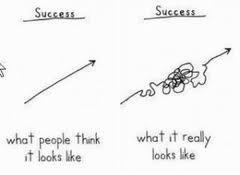
I’d think, I’m not lazy, but for some reason I wasn’t able to make those things a habit.
Click here to read more of this article!

Showing posts with label Tip of the Day. Show all posts
Showing posts with label Tip of the Day. Show all posts
Sunday, 21 October 2012

Monday, 8 October 2012
How to Improve Your Focus

By Daniel Coyle
Focus is the holy grail of modern life. It’s rare. It’s powerful. And it’s tough to find.
Not for lack of trying. To improve focus, most of us use a common-sense method: we actively remind ourselves to do it. Coaches yell it from the sidelines — Come on, focus! Parents instruct their homework-doing kids — Stop texting and just focus! We talk to ourselves — Focus now!
The problem is, that method usually doesn’t work. Urging focus is sort of like kicking the tires of a car that won’t start. It feels satisfying, but it doesn’t fix the underlying problem, which is that our brains crave the steady-state of comfort, not the effort of focus.
So the real question is, how do you nudge people out of their default setting? How do you design learning environments that tilt people toward focus?
I was thinking about this last weekend when we went to Chicago and rode bikes along the lakefront, that wide, paved stretch that fronts Lake Michigan. It was a beautiful day, so the lakefront was packed with hundreds of bikers, skateboarders, rollerbladers, joggers, and kids, everybody zipping in and out at high speed. Then we noticed something strange: no guardrails.
To finish reading this article, Click Here!
Friday, 28 September 2012
Sunday, 23 September 2012
Thursday, 7 June 2012
Derek Boogaard’s Dad does the legwork, finds appalling amount of pills prescribed to his son
Posted by Justin Bourne under News, Opinion on Jun 04, 2012
I’ve written about the abuse of prescription pills in pro hockey in the past, specifically about how their distribution needs to be better monitored. Right now if players want them, they can get them, and with the pain of the game and the rigors of travel, plenty of guys do. Never have I been more sure that something has to be done then after reading what Derek Boogaard’s father discovered about what had been prescribed to his son over the years.
Before I list the numbers, a simple point: it’s not solely the doctor’s responsibility to monitor the amount of pills players are swallowing - players have to be accountable for themselves as well. Though some guys are (as Boogaard seemed to be), not everyone is a victim of the system.
There’s just no way it should be possible for one person to acquire this many drugs from this many sources:
From the New York Times excellent feature on Boogaard, and his Dad’s work:
Derek Boogaard received more than 100 prescriptions for thousands of pills from more than a dozen team doctors for the Minnesota Wild and the Rangers.Continuing:
* In a six-month stretch from October 2008 to April 2009, while playing 51 games, Boogaard received at least 25 prescriptions for the painkillers hydrocodone or oxycodone, a total of 622 pills, from 10 doctors — eight team doctors of the Wild, an oral surgeon in Minneapolis and a doctor for another N.H.L. team.What blows me away more than anything about those numbers is the ”10 doctors in six months” part. I’ve played on teams with a team doctor. I’ve seen 2-3 in certain training rooms. I know there are some specialists you deal with over the course of a career. But 10 and these people don’t communicate at all about what’s being prescribed to their patient, a guy who’s supposed to be a pro athlete, a finely tuned machine? It’s an absolute sin. (None of that addresses the blatant disregard for a guy with a problem, but I’m not looking at Boogaard’s situation as a stand-alone event here.)
* In the fall of 2010, an official for the Rangers, Boogaard’s new team, was notified of Boogaard’s recurring abuse of narcotic pain pills. Nonetheless, a Rangers team dentist soon wrote the first of five prescriptions for hydrocodone for Boogaard after he sustained an injury.
* Another Rangers doctor, although aware that Boogaard also had been addicted to sleeping pills in the past, wrote nearly 10 prescriptions for Ambien during Boogaard’s lone season with the team.
Shady doctors aren’t everywhere in pro hockey, but they exist. I’ve heard of guys texting their team doctor, who would in turn call in a prescription and have pills ready to go for them at CVS in an hour. “What do you need, sleeping pills, pain pills, muscle relaxers….would you like fries with that?” As in all lines of work, some folks are just ethically questionable, and they always will be – being smart enough to become a doctor has little bearing on that. That fact is precisely why there needs to be some sort of official system in place so those people don’t go messing everything up for the rest of us.
For one, necessary prescribed pills could be doled out to players out on a daily basis at the rink. The doctors write the scripts, fill them, bring them to your dressing room, and say “Here’s your three for the day.” For another, if you’re going to have 1000 doctors, each player should have medical files on hand that doctors need to update every time they prescribe anything so they could see “Hey look, Dr. Percy prescribed him 30 pills yesterday, he doesn’t need any more.”
I realize these ideas aren’t flawless (as I said, guys may get them regardless, but let’s at least make it more difficult), but they’re ideas. We need to get moving in the right direction.
Boogaard’s story is terrible and sad, but if it could be the catalyst for some positive change that exposes less players to ridiculous amounts of pills that they don’t need, then at least it could have been for something. Though that may be small consolation for the Boogaard family, maybe it could save another family from feeling the same pain.
If we do nothing, the problem isn’t going to go away on it’s own, it’s only going to get worse. R.I.P., Boogeyman.
Tuesday, 29 May 2012
Anyways!
Fantastic Read!!
The Paradoxical Commandments were written in 1968 by Kent Keith and are contained in a book called AnyWay
People are illogical, unreasonable, and self-centered.
Love them anyway.
If you do good, people will accuse you of selfish ulterior motives.
Do good anyway.
If you are successful, you will win false friends and true enemies.
Succeed anyway.
The good you do today will be forgotten tomorrow.
Do good anyway.
Honesty and frankness make you vulnerable.
Be honest and frank anyway.
The biggest men and women with the biggest ideas can be shot down by the smallest men and women with the smallest minds.
Think big anyway.
People favor underdogs but follow only top dogs.
Fight for a few underdogs anyway.
What you spend years building may be destroyed overnight.
Build anyway.
People really need help but may attack you if you do help them.
Help people anyway.
Give the world the best you have and you’ll get kicked in the teeth.
Give the world the best you have anyway.
I truly believe this is what keeps me teaching/coaching. Be true to yourself and always do the right thing. Keep your integrity!
The Paradoxical Commandments were written in 1968 by Kent Keith and are contained in a book called AnyWay
People are illogical, unreasonable, and self-centered.
Love them anyway.
If you do good, people will accuse you of selfish ulterior motives.
Do good anyway.
If you are successful, you will win false friends and true enemies.
Succeed anyway.
The good you do today will be forgotten tomorrow.
Do good anyway.
Honesty and frankness make you vulnerable.
Be honest and frank anyway.
The biggest men and women with the biggest ideas can be shot down by the smallest men and women with the smallest minds.
Think big anyway.
People favor underdogs but follow only top dogs.
Fight for a few underdogs anyway.
What you spend years building may be destroyed overnight.
Build anyway.
People really need help but may attack you if you do help them.
Help people anyway.
Give the world the best you have and you’ll get kicked in the teeth.
Give the world the best you have anyway.
I truly believe this is what keeps me teaching/coaching. Be true to yourself and always do the right thing. Keep your integrity!
Wednesday, 23 May 2012
Parentectomy
Recently I was fortunate enough to spend some time at the College Hockey
Coaches convention in Naples, Florida. It was great to spend some time
away from a rink with coaches and get an insight into some of their
thinking.
While talking with one of the very well known coaches from a major division one school about a possible recruit for their program, I heard him describe the player in a very unique way. He said to me, "yes we really like him a lot as a player but we are going to pass.....he needs a major Parentectomy....." It took me a very short time to realize that they were not going to offer him a scholarship because of the actions of his parents.....
It got me thinking quite a bit about the recruiting and scouting process of young players and how many different factors can affect the situation. I thought I would share this with everyone.
One of the most important factors that schools and junior programs do consider is what is the players' family like? Specifically what are the parents like?
I discussed it with our staff we decided to come up with five simple points of advice for parents. Specifically parents who have young players that are getting to that 14-15 year old age when the recruitment and scouting process starts to pick up and the game seems to change from just a game to a business opportunity for some.
This is only our opinion and advice we are offering. We are parents too and have made many mistakes just like everyone else so take from it what you will. We have seen many players get recruited successfully and there are some common traits. Hopefully it helps prevent any more Parentectomies....
If you want more input please feel free to contact us anytime.
The five suggestions for Parents are:
1. Take a step back.
Be suggestive and be supportive but allow your young athlete to research things and make their own decisions concerning where to play and which route to travel. Trust their instincts. You've done an amazing job getting them to this point. Let it go a bit now, step back and watch the results of your good parenting. Enjoy the product of all the countless hours you spent driving all over the country drinking bad coffee and sitting in cold arenas spending time with your child. Let them begin to make their own decisions. It will then be their responsibility to make it work and usually they do.
2. The coach/gm is always right.
Always, always, always, always......Even when you don't agree with them and know they are wrong. I know how hard this can be for some parents to hear or agree with but trust me. A coach who has had his feathers ruffled by a parent can do more harm to a player in a thirty second conversation with a scout than any bad game or tournament can do. Scouts and recruiters are going to talk to these people and listen to what the coach has to say over anyone else 98% of the time. They rarely will ever listen to what a parent has to say so stay away from them. The best thing you can ever do at this point is keep a great relationship with the coach.
3. Remember, there are more important things in life than hockey.
I know this is where we might lose some people, but it is very important. We try to encourage parents to remember, this is about what your student athlete is going to be like at age 19 and 20 not at 14. Their journey is not complete. It hss only just begun......help them become well rounded. Encourage other interests and challenges. Take good breaks from the game that will keep them hungry to play. Young players can burn and fizzle out from too much pressing and pushing. Also be aware that no matter how good they are, and I mean even if they are hall of fame caliber players, they will not be playing when they are forty years old.
4. Encourage them to work as hard away from the rink as they do at it.
Too much time, money and resources are wasted on showcases, tryouts and many things that rarely pay off. Invest in a good marketing plan for the player. Build a resume and bio that stand out from the rest. Make sure you have the right schooling and class requirements. Get powerful letters of reference from people that are not involved in hockey as well. Tell them to think of it like they are a lawyer. Tell them to build their case. They are going to trial and better be prepared. Remember these numbers. There are roughly 28,000 high school senior age boys registered to play hockey with USA Hockey. There are 59 Division I teams and 77 Division III teams. Each of those bring on average 6 new players a season to their rosters and about half of those are from the US… that means only 408 of the 28,000 registered players will get their chance to play in college. That represents roughly 1.5% of registered players. I'd say it's pretty competitive.
5. Enjoy the Process.
It should not be stressful. It goes very fast.....These are the last few seasons you will spend at the rink with your child. Be positive. It will be one of the last lessons you pass on to them. Positive, fun people get recruited way more!!!!! Think about it, who would you rather spend four years with......?
While talking with one of the very well known coaches from a major division one school about a possible recruit for their program, I heard him describe the player in a very unique way. He said to me, "yes we really like him a lot as a player but we are going to pass.....he needs a major Parentectomy....." It took me a very short time to realize that they were not going to offer him a scholarship because of the actions of his parents.....
It got me thinking quite a bit about the recruiting and scouting process of young players and how many different factors can affect the situation. I thought I would share this with everyone.
One of the most important factors that schools and junior programs do consider is what is the players' family like? Specifically what are the parents like?
I discussed it with our staff we decided to come up with five simple points of advice for parents. Specifically parents who have young players that are getting to that 14-15 year old age when the recruitment and scouting process starts to pick up and the game seems to change from just a game to a business opportunity for some.
This is only our opinion and advice we are offering. We are parents too and have made many mistakes just like everyone else so take from it what you will. We have seen many players get recruited successfully and there are some common traits. Hopefully it helps prevent any more Parentectomies....
If you want more input please feel free to contact us anytime.
The five suggestions for Parents are:
1. Take a step back.
Be suggestive and be supportive but allow your young athlete to research things and make their own decisions concerning where to play and which route to travel. Trust their instincts. You've done an amazing job getting them to this point. Let it go a bit now, step back and watch the results of your good parenting. Enjoy the product of all the countless hours you spent driving all over the country drinking bad coffee and sitting in cold arenas spending time with your child. Let them begin to make their own decisions. It will then be their responsibility to make it work and usually they do.
2. The coach/gm is always right.
Always, always, always, always......Even when you don't agree with them and know they are wrong. I know how hard this can be for some parents to hear or agree with but trust me. A coach who has had his feathers ruffled by a parent can do more harm to a player in a thirty second conversation with a scout than any bad game or tournament can do. Scouts and recruiters are going to talk to these people and listen to what the coach has to say over anyone else 98% of the time. They rarely will ever listen to what a parent has to say so stay away from them. The best thing you can ever do at this point is keep a great relationship with the coach.
3. Remember, there are more important things in life than hockey.
I know this is where we might lose some people, but it is very important. We try to encourage parents to remember, this is about what your student athlete is going to be like at age 19 and 20 not at 14. Their journey is not complete. It hss only just begun......help them become well rounded. Encourage other interests and challenges. Take good breaks from the game that will keep them hungry to play. Young players can burn and fizzle out from too much pressing and pushing. Also be aware that no matter how good they are, and I mean even if they are hall of fame caliber players, they will not be playing when they are forty years old.
4. Encourage them to work as hard away from the rink as they do at it.
Too much time, money and resources are wasted on showcases, tryouts and many things that rarely pay off. Invest in a good marketing plan for the player. Build a resume and bio that stand out from the rest. Make sure you have the right schooling and class requirements. Get powerful letters of reference from people that are not involved in hockey as well. Tell them to think of it like they are a lawyer. Tell them to build their case. They are going to trial and better be prepared. Remember these numbers. There are roughly 28,000 high school senior age boys registered to play hockey with USA Hockey. There are 59 Division I teams and 77 Division III teams. Each of those bring on average 6 new players a season to their rosters and about half of those are from the US… that means only 408 of the 28,000 registered players will get their chance to play in college. That represents roughly 1.5% of registered players. I'd say it's pretty competitive.
5. Enjoy the Process.
It should not be stressful. It goes very fast.....These are the last few seasons you will spend at the rink with your child. Be positive. It will be one of the last lessons you pass on to them. Positive, fun people get recruited way more!!!!! Think about it, who would you rather spend four years with......?
Friday, 11 May 2012
Tip of the Day
If an athlete fears failure prior to competing, the images s/he recalls
often support that fear, eg, images of previous failed attempts.
Monday, 30 April 2012
Tip of the Day
Athletes often feel anxious because of the constant threat of being
judged. Thoughts must be directed toward what the athlete can control. Paul Dennis, PhD
Subscribe to:
Comments (Atom)